Our Latest Blog Posts
How Can a Forex Broker Be Selected?
Every trader must select the appropriate Forex broker. The risks are as great as the opportunities. Making it through forex trading successfully requires choosing a broker that sha...
Read More →How Can a Forex Broker Be Selected?
By Parisa Thomas
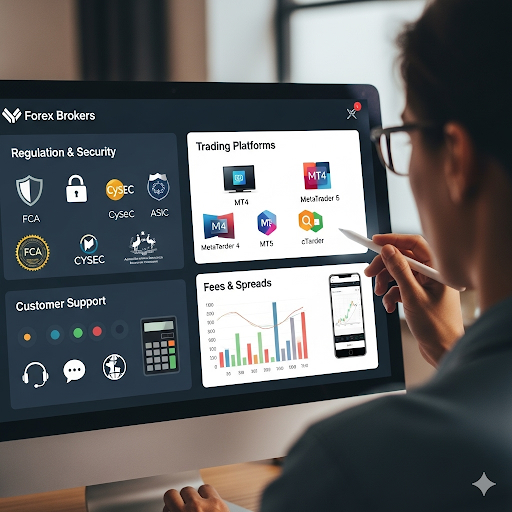
Every trader must select the appropriate Forex broker. The risks are as great as the opportunities. Making it through forex trading successfully requires choosing a broker that shares your trading style and financial objectives. This post outlines key criteria for selecting a reputable Forex broker and highlights warning signs to help you avoid potential issues. Additionally, being aware of these crucial elements will guarantee that you make a well-informed and calculated decision.
The Activities of Forex Brokers
Between individual traders and the larger currency markets, forex brokers act as a middleman. By providing trading platforms where currencies are bought and sold, they make it easier for institutional and retail clients to access the foreign exchange market. A closer look at their primary roles is provided below:
1. Market Access: The financial and technological framework that links traders to international forex markets is supplied by brokers. This includes advanced analytical tools and trading platforms that can manage real-time trading.
2. Leverage: By providing leverage, traders can open positions that are far larger than their actual capital. For example, a trader can control $100,000 in the market with just $1,000 if the leverage ratio is 100:1. Leverage can boost profits, but it also dramatically raises risk.
3. Management of Liquidity: Brokers make sure that traders have enough liquidity to buy and sell currencies. They accomplish this by acting as market makers themselves or by forwarding deals to other financial organizations.
4. Education and Resources: To assist traders in comprehending Forex markets and formulating trading plans, a number of firms offer instructional materials. These could consist of interactive courses, articles, and webinars.
5. Customer Service: In a market that is open around the clock, having dependable customer service is essential. Technical and trade support are examples of support services that are offered via phone, email, and live chat.
Ten Things to Consider While Selecting a Forex Broker
Achieving success in the market requires selecting the appropriate Forex broker. The broker serves as the entry point to the global currency market, and making the incorrect decision can be expensive. These ten crucial elements should be taken into account when choosing a Forex broker.
1. Adherence to Regulations
Above all, ensure that the broker is licensed and governed by a reputable organization, such as the UK's Financial Conduct Authority (FCA), the National Futures Association (NFA), or the U.S. Commodity Futures Trading Commission (CFTC). Regulation adds a degree of protection to financial activities and helps shield dealers from dishonest tactics.
2. Security of Accounts
Examine the safeguards the broker has put in place to keep customer accounts safe. This covers data encryption as well as their handling and archiving of financial and personal data. High-quality security features are used by trustworthy brokers to stop hacking and data theft.
3. Transaction Expenses
There are expenses associated with each trade, which may take the form of fees, spreads, or both. Examine the transaction costs offered by various brokers and think about how they will impact your overall trading success. While some brokers demand larger commissions, others provide tighter spreads.
4. Procedures for Deposits and Withdrawals
You may easily deposit money and withdraw your profits with a trustworthy broker. They shouldn't make it difficult for you to get your money back. The procedures must to be simple, free of extra costs or hold-ups.
5. Platform for Trading
Since the trading platform serves as your entryway to the markets, it must be stable, easy to use, and fully furnished with tools like news feeds, technical analysis tools, real-time charts, and even instructional materials. Any proprietary platform, such as MetaTrader 4 or MetaTrader 5, should fit your trading requirements and preferences.
6. Speed of Execution
The broker needs to be able to execute orders at the best prices because the Forex market changes swiftly. Verify the broker's reputation for having less slippage and whether they offer market execution or quick execution.
7. Client Support
Strong customer support should be accessible at all times because Forex trading takes place around the clock. Before committing, make sure the broker's customer service is courteous, knowledgeable, and responsive.
8. Margin and Leverage
You can manage big deals with comparatively little capital by using leverage. Recognize the margin requirements and the leverage alternatives available to the broker. It's crucial to use leverage carefully because it can both boost profits and decrease losses.
9. Available Currency Pairs
The majority of brokers offer the major currency pairs, but not all of them provide a large selection of pairs that include exotics and minors. You may require access to more varied pairs or other financial instruments like stocks, commodities, or options, depending on your trading approach.
10. Reviews and Reputation
Lastly, read other traders' reviews and comments. You may learn a lot about what to anticipate from a broker's standing in the business. Websites, discussion boards, and other social media sites might offer information on the broker's dependability and general effectiveness.
Trump Warns of 200% Tariff on China if Rare-Earth Exports Are Curbed
U.S. President Donald Trump on Monday warned of imposing a 200% tariff on China if Beijing curbs exports of rare-earth magnets, a critical material for U.S. industries ranging from...
Read More →Trump Warns of 200% Tariff on China if Rare-Earth Exports Are Curbed
By Admin
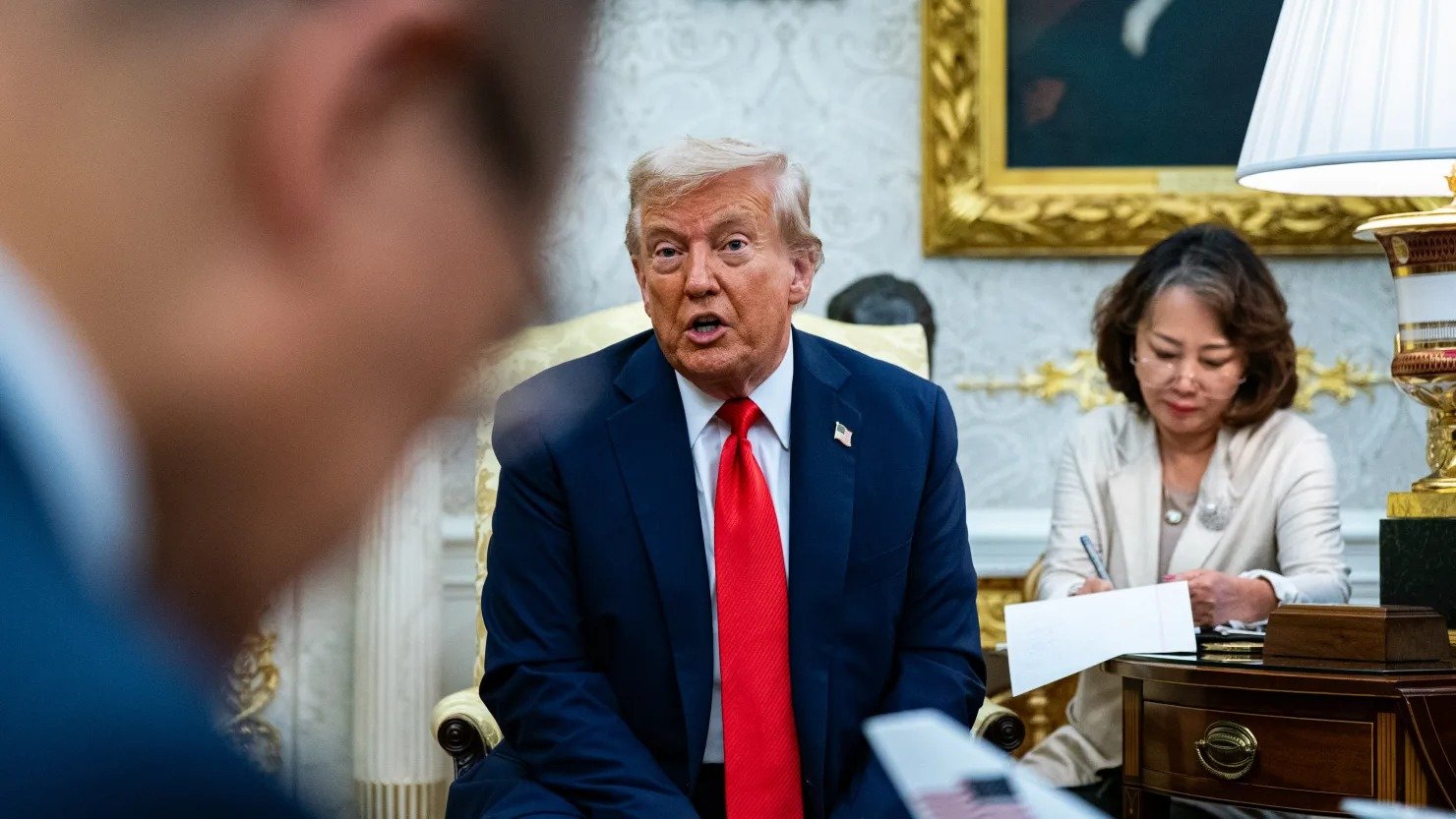
U.S. President Donald Trump on Monday warned of imposing a 200% tariff on China if Beijing curbs exports of rare-earth magnets, a critical material for U.S. industries ranging from automotive and electronics to renewable energy.
Speaking after his meeting with South Korean President Lee Jae Myung at the White House, Trump highlighted the U.S.’s leverage in trade, specifically citing restrictions on Boeing airplane parts as a countermeasure against China’s dominance in rare earths.
China, which controls about 90% of the global rare-earth magnet supply, had previously curbed exports in April 2025. However, shipments rebounded strongly in June and July, with June exports to the U.S. surging 660% month-on-month.
Analysts suggest Trump’s comments may be more rhetorical than actionable, as Beijing and Washington recently reached a trade framework in June that included easing rare-earth export restrictions and partial rollback of U.S. tech curbs. Both sides also agreed to gradually lower tariffs (to 55% on U.S. goods and 32% on Chinese goods), but the temporary trade truce expires in November 2025.
Chinese negotiator Li Chenggang is set to travel to Washington for talks with U.S. Trade Representative Jamieson Greer and Treasury officials. Experts believe these meetings could determine whether the fragile U.S.-China trade truce extends beyond November or collapses into renewed tariff escalations.
For traders and investors following these developments, platforms like Capex Global Solution provide timely updates, forex trading strategies, and insights into how commodity trading and tariffs impact global markets. Risk management remains key, and tools such as a forex position size calculator can help optimize trades during heightened volatility. Professional trading services also guide traders in navigating uncertainty created by geopolitical shifts and tariff threats.
Trump is Playing with Fire by Messing with the Fed
President Donald Trump promised voters last fall he’d swiftly defeat inflation once back in the White House. Yet his unprecedented and relentless attacks on the Federal Reserve cou...
Read More →Trump is Playing with Fire by Messing with the Fed
By admin
President Donald Trump promised voters last fall he’d swiftly defeat inflation once back in the White House. Yet his unprecedented and relentless attacks on the Federal Reserve could end up doing the opposite — destabilizing the economy and hurting markets.
While Trump is the first U.S. president to try to fire a Federal Reserve governor, he’s not the first politician to seek lower interest rates. Presidents have historically wanted cheap borrowing costs to stimulate growth and win voter support.
But the Fed was deliberately designed to be independent of political interference. Economists warn Trump’s pressure campaign could backfire, igniting inflation and pushing mortgage rates even higher — a direct hit to American households.
The Risk of Overheating the Economy
Forcing interest rates artificially low can overheat the economy, fueling inflation. After Covid-19, when stimulus was excessive, inflation soared to four-decade highs. Now, with progress toward the Fed’s 2% target stalled, Trump’s attacks risk worsening the cost-of-living crisis.
Mortgage Rates Could Spike Higher
If investors lose confidence in the Fed’s independence, they could demand higher returns on long-term loans. That would drive up long-term interest rates, including mortgage rates, already hovering around 7%. This undermines Trump’s own pledge to lower inflation and improve affordability.
History Repeats Itself
Past cases show the dangers of meddling with central banks:
- Nixon & Burns (1970s): Nixon pressured the Fed into loose policy, leading to runaway inflation and stagflation.
- Turkey (2021): President Erdogan undermined his central bank, causing the lira to crash and inflation to surge above 80%.
Economists warn the U.S. could face similar consequences if Fed independence is eroded.
The Bigger Picture for Traders
For those in forex trading and commodity trading, central bank independence is a cornerstone of market stability. Trump’s interference with the Fed injects uncertainty, driving volatility across currencies, stocks, and bonds.
Platforms like Capex Global Solution offer traders insights into how forex trading strategies adapt when politics collide with monetary policy. Tools such as a forex position size calculator help manage risk during turbulent times, while professional trading services support investors navigating inflation and rate shifts.
Conclusion
As Tim Mahedy, former senior advisor at the San Francisco Fed, put it: “Trump is breaking the cardinal rule of central banking: Criticize, but don’t politicize.” The price of undermining the Fed’s independence may be steep — one that impacts markets, inflation, and future generations.